Selling an estate property in Argyle is not the same as listing a typical suburban home. When your property includes acreage, outbuildings, fencing, or a long driveway approach, buyers are evaluating more than square footage. They are assessing the full experience of the land, the condition of the improvements, and whether the asking price matches what the property truly offers. If you want to bring your Argyle estate to market with confidence, preparation is where results begin. Let’s dive in.
Understand the Argyle market first
Argyle has a distinct housing profile that shapes how you should prepare and price your home. According to the Town of Argyle quality of life overview, the area includes everything from smaller-lot homes to custom homes on multiple acres, with many 1 to 2 acre homesites and larger 5 to 10+ acre tracts suited to farming, ranching, and equestrian use.
That matters because estate buyers in Argyle are often comparing lifestyle, land usability, privacy, and improvements, not just bedroom count. The latest public numbers also vary. Realtor.com’s Argyle market snapshot reported a median listing price near $620,000 with a 44-day median time on market, while other public sources have shown a much higher median sale price and much longer marketing times.
The key takeaway is simple: headline averages are not enough for an Argyle estate sale. A strategy-first launch should be based on fresh, property-specific comparable sales, especially when acreage or specialized improvements are involved.
Prepare the home and land together
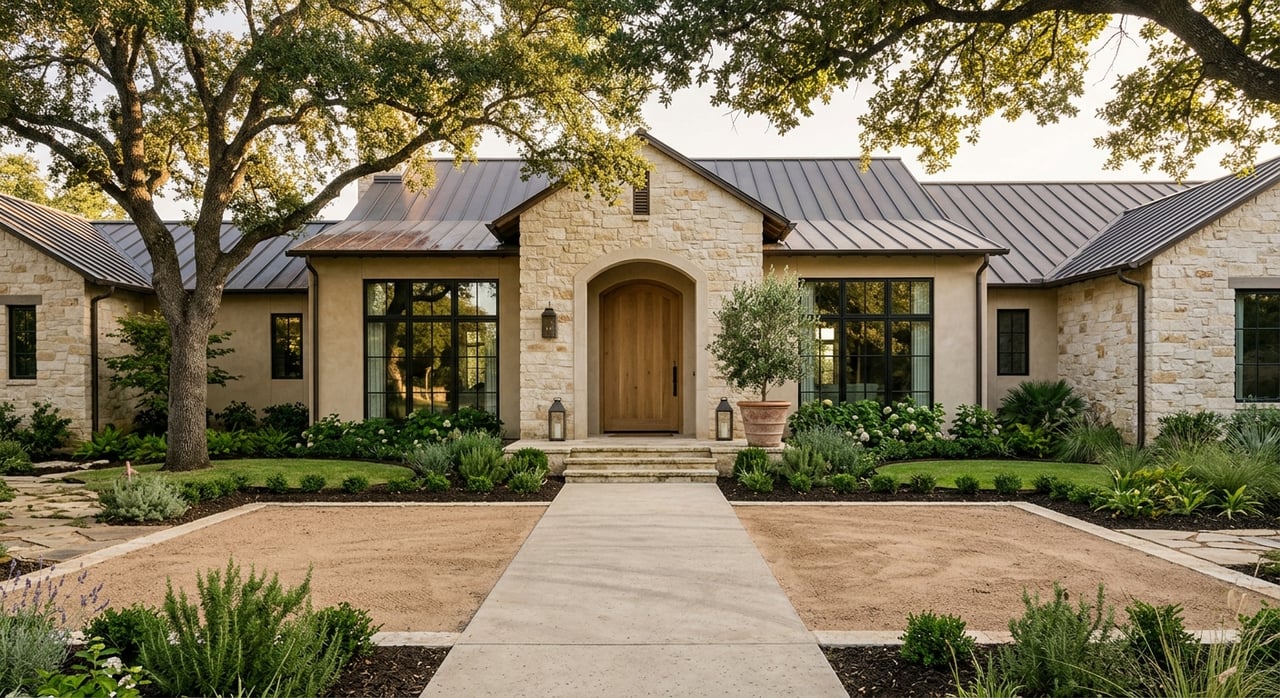
One of the biggest mistakes sellers make is treating the house as the product and the land as background. In Argyle, the land is part of the product. Your buyer is forming an opinion from the moment they turn onto the road, pass through the gate, and drive up to the home.
The National Association of Realtors 2025 staging report found that the most common preparation recommendations were decluttering, whole-home cleaning, and curb appeal improvements. The same report found that 83% of buyers’ agents said staging made it easier for buyers to visualize a property.
For an Argyle estate, that guidance should extend beyond the interior. You want buyers to understand how the home sits on the lot, where the usable space is, and how outdoor areas support everyday living, recreation, or work.
Start with the basics
Before you spend on upgrades, handle the items that consistently make the biggest difference:
- Declutter every room
- Deep clean the entire home
- Complete minor repairs
- Touch up paint where needed
- Improve curb appeal near the entry and front elevation
- Refresh landscaping in the most visible areas
These are not glamorous steps, but they help buyers focus on the property itself instead of distractions.
Treat outdoor areas like living space
For estate and acreage properties, outdoor presentation deserves its own plan. NAR reports that outdoor and yard spaces were staged in 31% of listings, which shows how often exterior areas influence buyer perception.
In Argyle, that means you should pay attention to:
- Driveway approach and entry sequence
- Gates and fencing condition
- Barns, sheds, or workshops
- Patios and outdoor seating areas
- Pastures or open land visibility
- Mowed paths and lot definition
If a buyer cannot quickly understand how the land functions, they may undervalue it. Clear presentation helps buyers see both lifestyle and utility.
Focus on repairs that reduce hesitation
Buyers tend to hesitate when they sense deferred maintenance, especially on larger properties where systems and structures can feel more complex. The goal is not to make every improvement possible. The goal is to remove obvious concerns that could slow a sale or weaken negotiations.
Start with visible and practical issues. Loose gate hardware, damaged fencing sections, worn exterior paint, cracked walkways, or neglected landscaping can signal larger problems even when the home is otherwise solid.
Inside, focus on anything that interrupts a smooth showing experience. Sticking doors, burned-out bulbs, stained carpet, damaged trim, and old caulk are small details that add up quickly in a buyer’s mind.
Build a pricing strategy around comps, not guesswork
Pricing is where many estate listings either gain momentum or lose it early. In a market like Argyle, broad averages can be misleading because properties differ so much in acreage, layout, improvements, and usability.
According to NAR’s guidance on comps, lot size, lot usability, neighborhood position, and renovations all affect value, and sold properties are generally more reliable than active listings when setting a realistic price.
For your Argyle estate, the right comp set should reflect factors like:
- Similar acreage size
- Comparable land usability
- Presence of barns, shops, or equestrian features
- Similar home size and finish level
- Recent sold data, not just current asking prices
This is especially important because public market signals suggest that sellers should plan for a potentially longer marketing window than a standard subdivision listing. Careful pricing from day one can help you avoid long-term staleness and unnecessary reductions.
Time your launch with enough runway
If you want to sell in spring, the work starts earlier than most homeowners expect. Zillow’s seller prep guidance says most sellers begin preparing 60 to 90 days before listing, and its 2026 metro analysis found that Dallas-area sellers saw especially strong returns in the second half of April.
For Argyle estate homes, that timeline is useful because larger properties often need more coordination. You may need time for cleanup, contractor work, landscaping, records gathering, photography, and pricing review before the property is truly ready.
A smart planning window often looks like this:
| Timeline | Priority |
|---|---|
| 60-90 days before listing | Repairs, cleanup, records, pricing review |
| 30-45 days before listing | Staging, exterior touch-ups, photography planning |
| 1-2 weeks before listing | Final clean, marketing assets, showing readiness |
The point is not to rush to market. The point is to launch when the property is fully prepared to compete.
Invest in strong marketing assets
High-end estate marketing should help buyers understand both the home and the setting. That is especially true in Argyle, where lot shape, approach, privacy, and outdoor features can be just as important as what is inside the house.
NAR’s consumer guide to marketing your home notes that effective marketing can include staging, professional photography, social media, signage, open houses, and MLS exposure. It also states that MLS exposure usually provides the broadest reach.
Visual presentation matters. Realtor.com has reported that about 70% of shoppers rank photos as the most important online feature, and NAR’s staging report found that 88% of sellers’ agents rated photos as much more or more important to their clients.
Use visuals that explain the property
For many Argyle estate listings, standard interior photos are not enough. Buyers need a better sense of scale and layout before they decide to visit.
That is why strong marketing often includes:
- Professional still photography
- Exterior drone imagery
- Video walkthroughs
- Clear listing descriptions that explain acreage and improvements
Drone footage can be especially helpful because it gives buyers a more realistic view of how the house, land, and surrounding improvements fit together.
Write listing copy that is easy to scan
Your listing description should make the property’s value easy to understand quickly. Buyers should not have to guess whether the acreage is usable, whether there is outdoor living space, or what improvements are included.
Plain-language, feature-rich copy usually performs better than vague luxury language. Clear communication builds trust and helps serious buyers decide whether your property fits their goals.
Plan showings for a strong first week
The first week on market carries real weight. NAR notes that private showings allow buyers to ask questions one-on-one, while open houses can help sellers and agents meet multiple buyers at once. It also notes that the first open house on the weekend after launch can help maximize exposure.
For an estate property, first impressions often take more time to form. Buyers may need to walk the grounds, process the site layout, and revisit the details before deciding to move forward.
That means your showing plan should prioritize:
- Easy access and a clean arrival experience
- A clear route through the home and outdoor areas
- Ready answers about major systems and improvements
- A polished first weekend of exposure
When the property feels organized and easy to understand, buyers are more likely to picture themselves owning it.
Gather Texas disclosures and property records early
Paperwork is part of preparation too. The Texas Real Estate Commission Seller’s Disclosure Notice is required for sellers of previously occupied single-family residences for applicable contracts entered on or after September 1, 2023.
For an Argyle estate, it helps to gather key records before listing so you can answer questions quickly and support condition claims with documentation. This can include receipts for major repairs, maintenance records, and system information.
Organize well and septic information
If your property includes private systems, buyers will likely ask about them early. The Texas Water Development Board notes that private well owners generally do not need to register wells with the state unless the property is in a groundwater conservation district, and it explains that owners may be able to locate a State of Texas well report if one exists.
The Texas Commission on Environmental Quality recommends pumping conventional septic tanks every three to five years. Recent septic service records, and where relevant a recent well-water test, can help reduce buyer hesitation.
A practical records checklist may include:
- Seller’s Disclosure Notice
- Receipts for major repairs or updates
- Septic service records
- Available well reports
- Survey, if available
- Information on gates, fencing, barns, or outbuildings
Think like a buyer before you list
The strongest estate listings are prepared with discipline, not guesswork. In Argyle, that means viewing your property the way a serious buyer will: as a full asset made up of the home, the land, the improvements, the records, and the pricing strategy.
When you prepare each piece intentionally, you make it easier for buyers to understand value and easier for the market to respond. That is how you create leverage before negotiations even begin.
If you are getting ready to sell in Argyle, a strategy-first plan can help you price accurately, present the property at a higher level, and avoid costly missteps. If you want a tailored game plan for your acreage home or estate property, connect with Ryan Stoddard for a free consultation.
FAQs
What should you fix before listing an Argyle estate home?
- Focus first on decluttering, deep cleaning, curb appeal, paint touch-ups, minor repairs, and visible exterior issues like fencing, gates, landscaping, and outdoor living areas.
How should you price an acreage property in Argyle?
- Use recent sold comps that match your property’s acreage, land usability, improvements, and home style instead of relying on broad market averages or active listing prices alone.
When should you start preparing your Argyle home for sale?
- A good rule is to begin 60 to 90 days before your target listing date, especially if the property needs repairs, staging, records gathering, or professional marketing assets.
Why does outdoor presentation matter for Argyle estate listings?
- Because buyers in Argyle often evaluate the full property experience, including drive-up appeal, usable land, outdoor living space, fencing, and any barns or accessory structures.
What documents should you gather before selling a rural or estate property in Texas?
- Start with the Seller’s Disclosure Notice, then collect repair receipts, septic service records, available well information, survey documents, and records tied to major property improvements.